Vibe Coding: Mastering the Art of Pro Vibe Development
As a developer, you're likely no stranger to the concept of vibe coding, but have you ever wondered how to take your skills to the next level and become a pro vibe coder? In this post, we'll explore the art of pro vibe development, covering the essential techniques, best practices, and tools you need to know to enhance your coding skills and workflow.
What is Vibe Coding?
Vibe coding refers to the practice of writing code that is not only functional but also visually appealing, efficient, and easy to maintain. It's about creating a coding style that is consistent, readable, and adaptable to different projects and teams. To become a pro vibe coder, you need to develop a deep understanding of coding principles, syntax, and semantics.
Coding Principles
Coding principles are the foundation of pro vibe coding. They include principles such as DRY (Don't Repeat Yourself), KISS (Keep it Simple, Stupid), and YAGNI (You Ain't Gonna Need It). These principles help you write code that is concise, readable, and maintainable.
Pro Vibe Coding Techniques
To become a pro vibe coder, you need to master various techniques that enhance your coding skills and workflow. Some of these techniques include:
- Modular coding: Breaking down large codebases into smaller, independent modules that can be easily maintained and reused.
- Code refactoring: Continuously improving and simplifying your code to make it more efficient and readable.
- Testing and debugging: Writing comprehensive tests and using debugging tools to ensure your code is reliable and error-free.
Example Use Case
Here's an example of how you can apply modular coding techniques to a real-world project:
// modules/user.js
class User {
  constructor(name, email) {
    this.name = name;
    this.email = email;
  }

  getUserInfo() {
    return `Name: ${this.name}, Email: ${this.email}`;
  }
}

export default User;
// main.js
import User from './modules/user.js';

const user = new User('John Doe', 'johndoe@example.com');
console.log(user.getUserInfo());
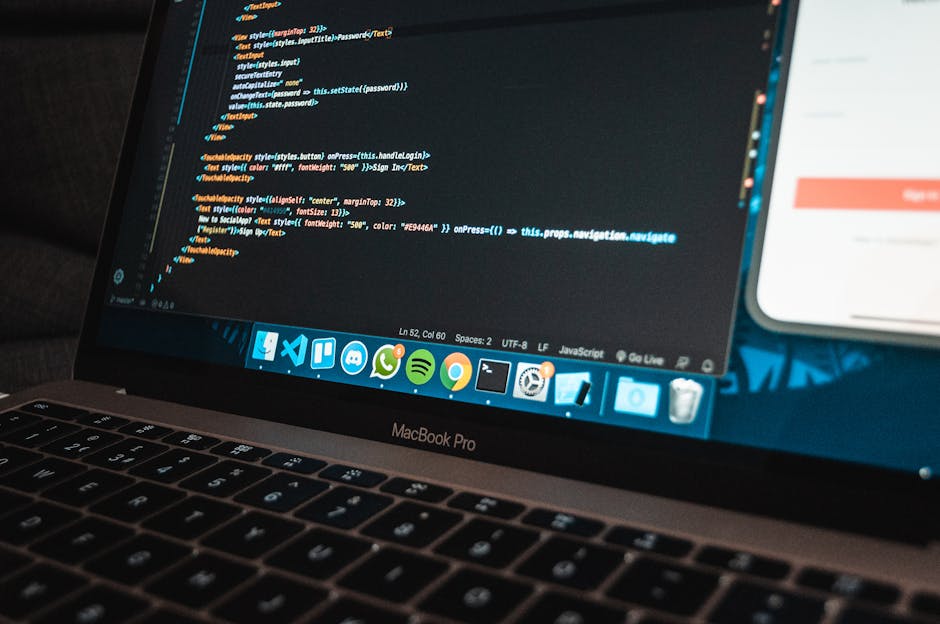 Pro vibe coding example
Best Practices for Pro Vibe Coding
To become a pro vibe coder, you need to follow best practices that enhance your coding skills and workflow. Some of these best practices include:
- Using a consistent coding style: Following a consistent coding style throughout your project to make it more readable and maintainable.
- Writing comprehensive documentation: Writing clear and concise documentation to help others understand your code and make it more maintainable.
- Participating in code reviews: Participating in code reviews to get feedback on your code and improve your coding skills.
Conclusion
Becoming a pro vibe coder takes time, practice, and dedication. By mastering pro vibe coding techniques, following best practices, and using the right tools, you can enhance your coding skills and workflow, and take your development career to the next level. So, start coding like a pro today and join the community of pro vibe coders!