Review: Free AI API Keys – Ollama, Groq, OpenRouter & More
A deep dive into the best free AI API key providers, comparing Ollama, Groq, OpenRouter, Google AI Studio, Nvidia, and more, with pros, cons, and practical setup tips.
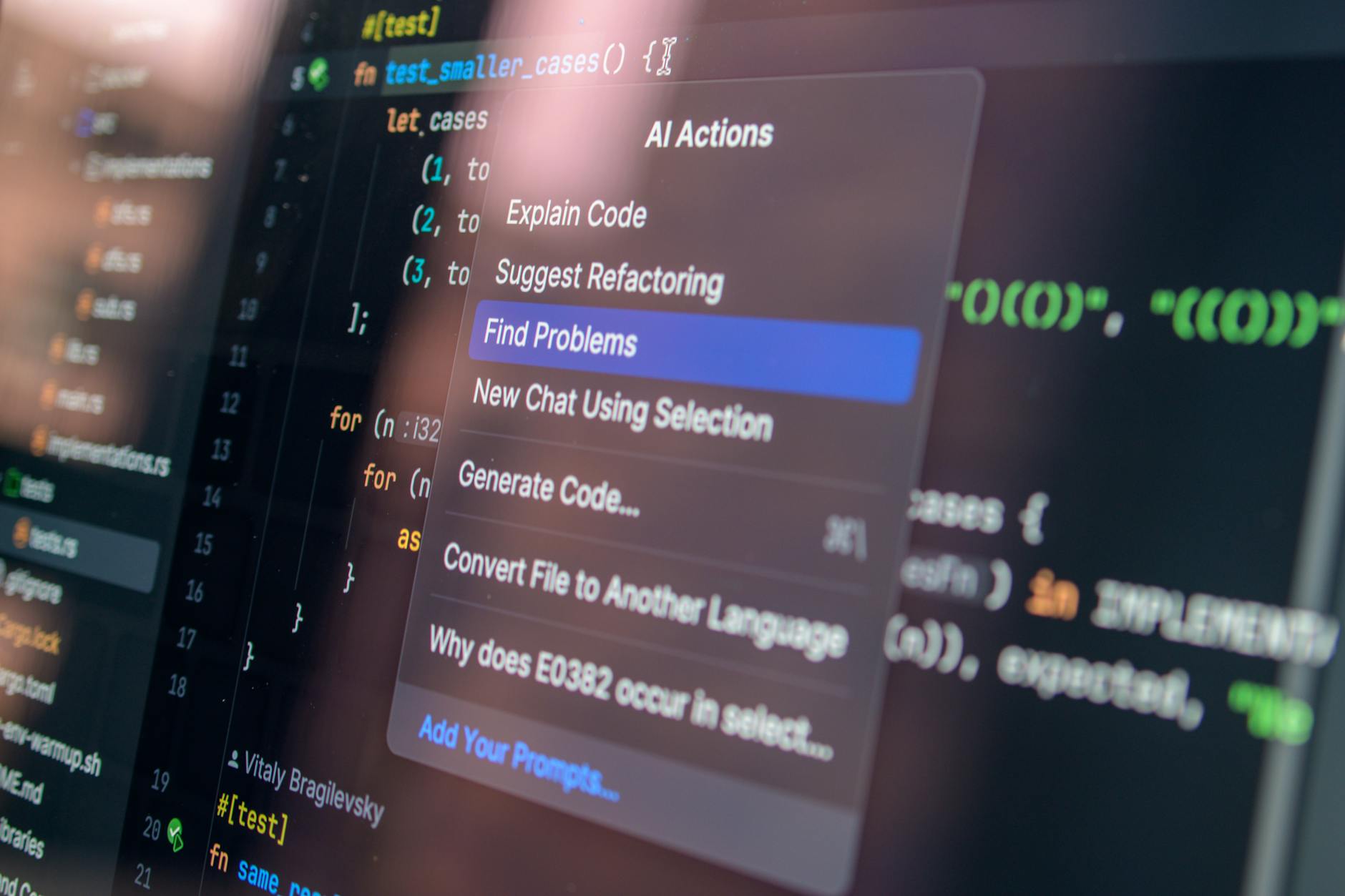 AI development
Review: Free AI API Keys – Ollama, Groq, OpenRouter & More
In the age of rapid AI prototyping, free API tiers are the secret sauce for developers who want to experiment without breaking the bank. This review walks through the most popular free LLM providers, rates them, and gives you actionable steps to get started today.
Overview of the Free AI API Landscape
“I love how groq.com and aistudio.google.com gives us free access to llama 70B, mixtral 8x7B and gemini 1.5 pro api keys for free.” – Reddit user [source]
The market now offers a mix of local and hosted options:
- Ollama – Run models on your own machine.
- Groq – High‑throughput hosted LLMs with a generous free tier.
- OpenRouter – Meta‑gateway that bundles many open‑source models.
- Google AI Studio – Free Gemini 1.5 Pro access.
- Nvidia Build – Free access to Llama 2 and other models.
- GitHub Marketplace – Community‑curated model APIs.
- Cloudflare Workers AI – Edge‑deployed models with a free quota.
Below we dive into each provider, rate them on a 5‑star scale, and show you how to wire them into your code.
Provider Reviews
Ollama (Local)
Pros
- No API calls → zero latency once the model is loaded.
- Full control over model versions and hardware utilization.
- Open‑source community support.
Cons
- Requires a capable GPU or CPU; not ideal for low‑end laptops.
- Initial setup can be intimidating for newcomers.
Rating: ★★★★☆
Getting Started
1# Install Ollama (macOS/Linux)
2curl -fsSL https://ollama.com/install.sh | sh
3
4# Pull a model, e.g., llama3
5ollama pull llama3
Set environment variables for your app (as shown in the “4 Free Methods” guide [source]):
1export LLM_ENDPOINT=http://localhost:11434
2export LLM_MODEL=llama3
3export LLM_TOKEN=   # not needed for local
Groq (Hosted)
Pros
- Lightning‑fast inference on GPU‑backed servers.
- Free tier includes 100k tokens/month.
- Simple OpenAI‑compatible endpoint.
Cons
- Limited to the models Groq supports (e.g., Mixtral, Llama‑3).
- Rate limits can affect heavy prototyping.
Rating: ★★★★★
Setup Example
1export LLM_TOKEN=<your_groq_api_key>
2export LLM_ENDPOINT=https://api.groq.com/openai/v1
3export LLM_MODEL=mixtral-8x7b-32768
You can obtain the key from the Groq console [source].
OpenRouter
Pros
- Access to dozens of open‑source models behind a single API.
- Flexible pricing; generous free tier for research.
Cons
- Slightly higher latency compared to dedicated hosts.
- Model availability can change without notice.
Rating: ★★★★☆
Configuration
1export LLM_TOKEN=<your_open_router_api_key>
2export LLM_ENDPOINT=https://openrouter.ai/api/v1
3export LLM_MODEL=meta-llama/Meta-Llama-3-8B-Instruct:free
Google AI Studio
Pros
- Free Gemini 1.5 Pro access (as of 2026).
- Tight integration with Google Cloud services.
Cons
- Requires a Google Cloud account; verification can be slow.
- Usage caps apply after the initial quota.
Rating: ★★★★☆
Quick Link: Google AI Studio
Nvidia Build
Pros
- Free access to Llama‑2 70B and other Nvidia‑optimized models.
- Powerful GPU backend for large‑scale inference.
Cons
- Must register on Nvidia’s developer portal.
- Free quota refreshes monthly; overage leads to pay‑as‑you‑go.
Rating: ★★★★☆
Resources: Nvidia Build
GitHub Marketplace Models
Pros
- Community‑driven, many niche models available.
- Direct billing through GitHub for seamless upgrades.
Cons
- Quality varies; some models are experimental.
- Documentation can be sparse.
Rating: ★★★☆☆
Explore: GitHub Marketplace – Models
Cloudflare Workers AI
Pros
- Edge‑deployed inference → sub‑millisecond response for small models.
- 100k free AI requests per month.
Cons
- Model size limited to ~1B parameters.
- Requires familiarity with Cloudflare Workers.
Rating: ★★★★☆
Docs: Cloudflare Workers AI
Comparison Table
| Provider | Model Highlights | Free Tier | Latency | Setup Complexity |
|---|---|---|---|---|
| Ollama | Llama‑3, Mixtral (local) | Unlimited (self‑hosted) | ⏱️ Low (local) | ⚙️ High |
| Groq | Mixtral‑8x7B, Llama‑3 | 100k tokens/mo | ⏱️ Very Low | ⚙️ Low |
| OpenRouter | 50+ open‑source | 100k tokens/mo | ⏱️ Medium | ⚙️ Low |
| Google AI Studio | Gemini 1.5 Pro | $0 (quota) | ⏱️ Low | ⚙️ Medium |
| Nvidia Build | Llama‑2 70B | 10k tokens/mo | ⏱️ Low | ⚙️ Medium |
| GitHub Marketplace | Niche & experimental | Varies | ⏱️ Varies | ⚙️ Medium |
| Cloudflare Workers AI | Tiny LLMs (edge) | 100k req/mo | ⏱️ Ultra‑Low | ⚙️ Low |
Practical Tips for Developers
- Start Local, Then Scale – Use Ollama to prototype quickly; switch to Groq or Cloudflare when you need production‑grade latency.
- Watch Token Quotas – Most free tiers reset monthly; set up monitoring alerts (
curlresponse headers often include usage info). - Leverage Environment Variables – Keeps your code portable across providers (see examples above).
- Combine Providers – For a fallback strategy, configure your app to try Groq first, then OpenRouter if rate‑limited.
Final Verdict
If you’re looking for zero‑cost experimentation, Groq takes the crown for speed and ease of use, while Ollama is unbeatable for developers with capable hardware who want unlimited runs. OpenRouter shines as a universal gateway, and Google AI Studio offers the most advanced model (Gemini 1.5 Pro) for free, albeit with tighter limits. The choice ultimately hinges on your hardware, latency needs, and how much you value model variety versus raw speed.
“Free tiers are the playground; pick the one that matches your next level.” – Author’s take
Ready to start? Grab an API key from any of the links above, set the environment variables, and let your code chat with the world’s most powerful LLMs—without spending a cent.